Electricity powers nearly every aspect of modern living, from lighting and kitchen appliances to entertainment systems and advanced home offices. Behind the walls of every residential and commercial property lies a carefully designed Jacksonville NC Electric system working continuously to distribute power safely and efficiently. At the heart of that system is a small but critical component: the circuit breaker. Understanding circuit breakers is essential for homeowners and business owners who want to protect their property, prevent electrical fires, and safeguard valuable devices.
A circuit breaker is a safety device designed to automatically interrupt electrical flow when it detects an overload, short circuit, or fault. Without circuit breakers, excessive current could travel through wiring unchecked, causing overheating, equipment damage, or even fire. In essence, circuit breakers act as guardians of your electrical system, stepping in instantly when something goes wrong. While they may seem simple on the surface, their role in maintaining electrical safety is both complex and indispensable.
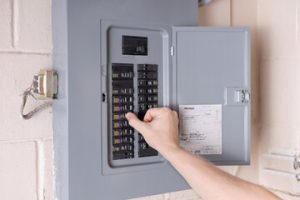
To fully appreciate how circuit breakers protect your home and devices, it is important to understand how electricity behaves within a circuit. Electrical current flows through wiring to power outlets, lighting fixtures, and appliances. Each circuit is designed to handle a specific amount of electrical load. When the demand exceeds that capacity—such as when multiple high-powered devices run simultaneously—the wiring can overheat. A circuit breaker monitors this flow and trips when current surpasses safe levels, cutting off power before damage occurs.
Several common scenarios cause circuit breakers to trip. Overloaded circuits are one of the most frequent causes. This happens when too many devices draw power from the same circuit, exceeding its capacity. Short circuits are another serious issue. These occur when a hot wire comes into contact with a neutral or ground wire, creating a sudden surge of electrical current. Ground faults, often associated with moisture or damaged insulation, also trigger breakers to prevent shock hazards.
Understanding the primary functions of circuit breakers helps clarify their importance:
- Prevent overheating of electrical wiring
- Protect appliances and electronic devices from damage
- Reduce the risk of electrical fires
- Minimize shock hazards within the property
Each of these functions contributes to a safer and more reliable electrical system. Without circuit breakers, even minor electrical irregularities could escalate into major emergencies.
Modern electrical panels typically house multiple circuit breakers, each responsible for a specific area or function within the building. For example, one breaker may control kitchen outlets, while another manages lighting circuits. Larger properties may include dedicated breakers for high-demand appliances such as air conditioning units or water heaters. This segmentation allows for targeted protection and easier troubleshooting when issues arise.
Circuit breakers come in different types, each designed for specific applications. Standard single-pole breakers are common in residential systems and protect individual circuits. Double-pole breakers handle larger loads and are often used for heavy-duty appliances. Specialized breakers, such as ground fault circuit interrupters (GFCIs) and arc fault circuit interrupters (AFCIs), provide enhanced safety features. GFCIs protect against shock by detecting ground faults, while AFCIs identify dangerous arcing conditions that could lead to fires.
For homeowners, recognizing signs of circuit breaker issues is essential. Frequent breaker trips may indicate overloaded circuits or underlying wiring problems. Breakers that fail to reset properly could signal internal wear or damage. In some cases, a burning smell near the electrical panel or visible scorch marks may point to serious electrical faults. Prompt attention to these warning signs helps prevent more extensive damage.
Upgrading circuit breakers is sometimes necessary, particularly in older properties. As electrical demands increase with modern technology, existing panels may struggle to handle additional load. An outdated breaker panel with limited capacity can lead to repeated overloads and reduced safety margins. Upgrading to a higher-capacity panel ensures that the electrical system can accommodate contemporary appliances and electronics without strain.
There are several benefits to upgrading your circuit breaker panel:
- Increased electrical capacity for modern devices
- Improved safety with updated breaker technology
- Enhanced reliability and reduced nuisance trips
- Better support for future home expansions or renovations
Investing in an upgraded panel not only enhances safety but also improves overall system performance.
Maintenance plays a crucial role in ensuring that circuit breakers continue to function effectively. Although breakers are designed for durability, they are mechanical devices subject to wear over time. Routine inspections of the electrical panel help identify loose connections, corrosion, or signs of overheating. Keeping the panel area clean and free of dust reduces the risk of internal component damage.
Testing breakers periodically is another proactive step. While homeowners should avoid handling internal components without proper training, observing how breakers respond when reset can provide insight into their condition. If a breaker feels unusually loose or fails to remain in the “on” position, professional evaluation is recommended.
Circuit breakers also protect sensitive electronics from electrical fluctuations. Power surges, whether caused by internal load changes or external factors, can damage computers, televisions, and other valuable devices. While whole-building surge protection offers additional defense, circuit breakers serve as the first line of protection against excessive current. Their rapid response helps limit damage and preserve the lifespan of connected equipment.
In commercial environments, circuit breakers are even more critical. Businesses rely on consistent electrical performance to maintain productivity and protect equipment investments. Downtime caused by electrical faults can result in financial losses and operational disruptions. Properly sized and maintained circuit breakers ensure stable power distribution and reduce the likelihood of unexpected shutdowns.
Load balancing is an important consideration in both residential and commercial systems. Uneven distribution of electrical demand across circuits can cause certain breakers to trip more frequently. During electrical system evaluations, professionals assess load distribution to ensure balanced performance. This process may involve redistributing circuits within the panel or adding additional breakers to relieve strain.
Safety should always be the top priority when dealing with circuit breakers. Attempting to bypass a tripping breaker or replacing it with one of higher amperage without proper evaluation can create dangerous conditions. Breakers are carefully matched to wiring capacity, and increasing amperage without upgrading wiring can lead to overheating and fire risks. Professional assessment ensures that any modifications are safe and code-compliant.
Understanding the relationship between circuit breakers and overall electrical system design is key to maintaining long-term reliability. Wiring, outlets, panels, and breakers work together as an integrated system. When one component fails, it can impact the entire network. Routine inspections, timely upgrades, and professional guidance help preserve this balance.
As homes and businesses continue to incorporate smart devices and advanced technologies, electrical demand will only increase. Electric vehicle chargers, home automation systems, and high-performance appliances require a robust electrical infrastructure. Circuit breakers must be properly rated to handle these additional loads. Planning for future electrical needs prevents strain and enhances system longevity.
Education is a powerful tool for property owners. Knowing how to identify the electrical panel, understand breaker labeling, and recognize signs of trouble empowers individuals to respond quickly when issues arise. Clear labeling of circuits simplifies troubleshooting and reduces confusion during emergencies.
In conclusion, circuit breakers are indispensable components that provide essential protection for your home and devices. They guard against overloads, short circuits, and faults, preventing fires and equipment damage. By understanding how circuit breakers function, recognizing warning signs, and investing in proper maintenance and upgrades, property owners can ensure a safer and more reliable electrical environment.
Electrical safety is not something to overlook or delay. Circuit breakers operate silently in the background, ready to act when needed. Their ability to instantly interrupt dangerous electrical conditions makes them one of the most important safeguards in any property. Prioritizing proper installation, regular inspection, and timely upgrades ensures that your electrical system remains resilient, efficient, and capable of supporting modern power demands for years to come.